Himalayan Salt in a Protein Shake? Here's Why We Add It
Salt in a protein shake might sound like a weird choice at first glance. Isn't salt the thing we're all supposed to be cutting back on? Here's the honest answer: not always – sodium isn't all bad, and in our shake we only use a pinch. Let's get into why.
Sodium isn't just "bad for you" – it's an electrolyte
Sodium is one of your body's core electrolytes, alongside potassium and magnesium. It plays a direct role in nerve signalling and in keeping your body's fluid balance.(1) When you sweat, whether from a workout or just a hot day, sodium is one of the first things you lose along with the water.(1)
There's real physiology behind this, called the sodium-glucose co-transport mechanism: in the small intestine, sodium and glucose are absorbed together and water follows them, more efficiently than with plain water alone.(2) It's the same basic principle behind the oral rehydration solutions (ORS) used medically for dehydration (general knowledge – our shake is not an electrolyte drink).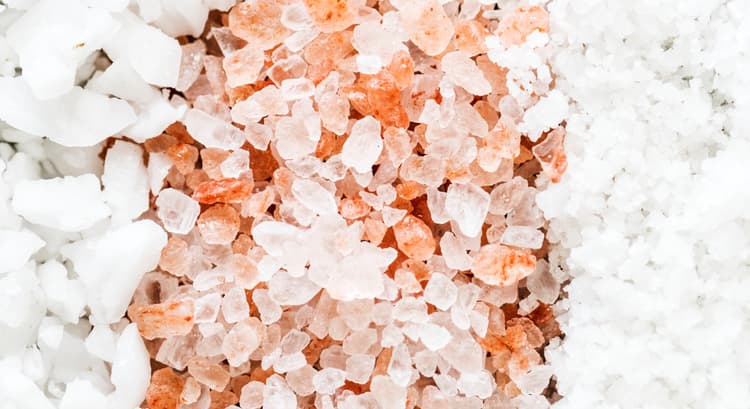
Why Himalayan salt specifically
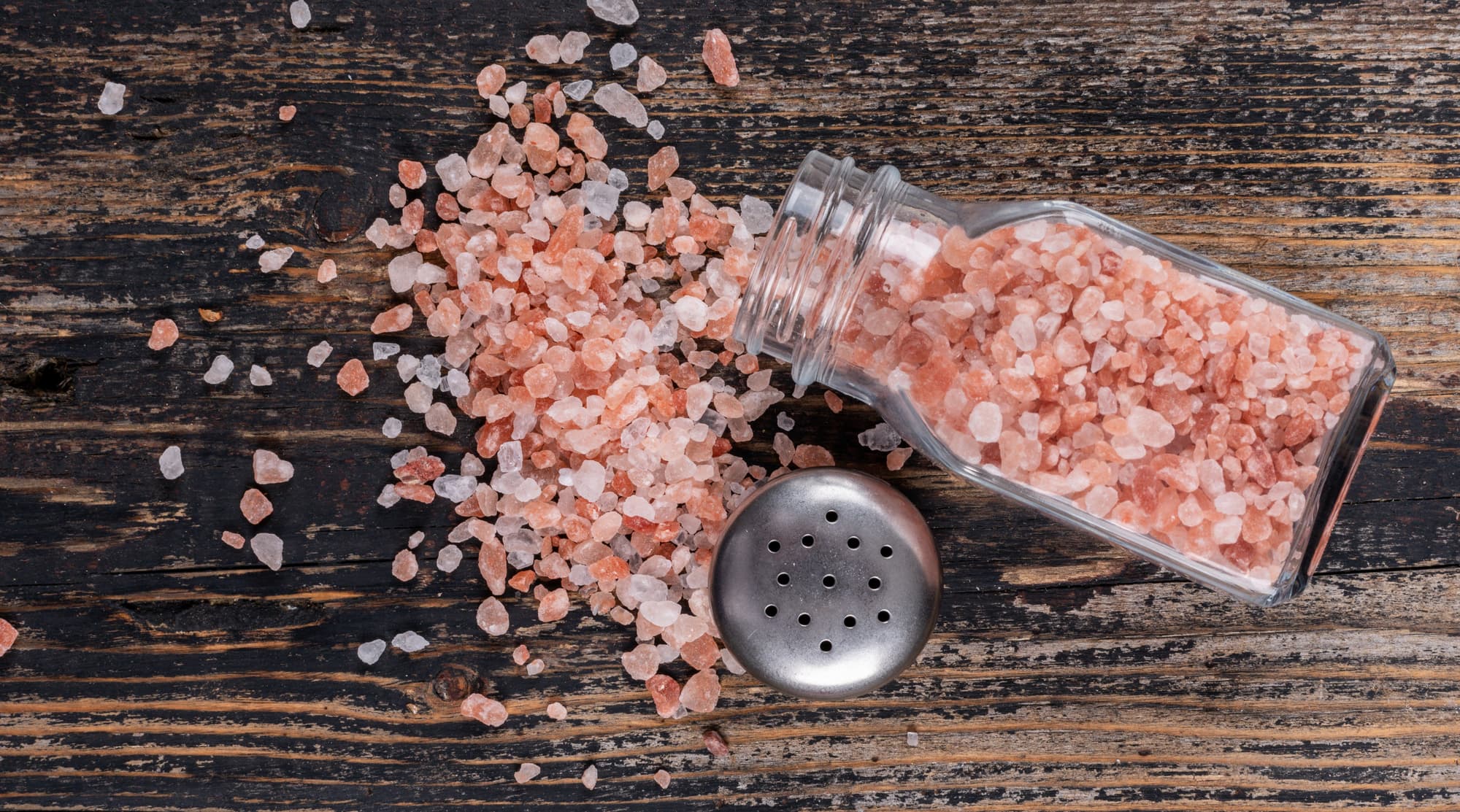
Let's be upfront about something a lot of wellness content oversells: gram for gram, Himalayan pink salt is roughly 98% sodium chloride, the same core compound as table salt.(3) The trace minerals it's famous for – magnesium, potassium, calcium – are present, but in genuinely small amounts; you're not going to hit meaningful daily mineral targets from a pinch of pink salt alone.(3)
So why use it over regular table salt? Two honest reasons:
It's unrefined, meaning it skips the anti-caking agents and processing additives that go into most table salt.(4)
The trace minerals, while small, aren't nothing – they're present in a minor way alongside the primary sodium content, and for a brand built around whole, minimally processed ingredients, it's a more natural sourcing choice than refined table salt.(4)
The main event, though, is genuinely just the sodium – and at the dose we use, its job in the shake is flavour.
If you sweat a lot, here's one thing worth knowing
If you're sweating heavily on a regular basis and only drinking large amounts of plain water, you can actually dilute your blood sodium levels – a condition called hyponatraemia, which in serious cases is dangerous.(5) If you exercise hard or work outdoors regularly, it's worth asking a doctor or dietitian how much fluid and electrolytes are right for you.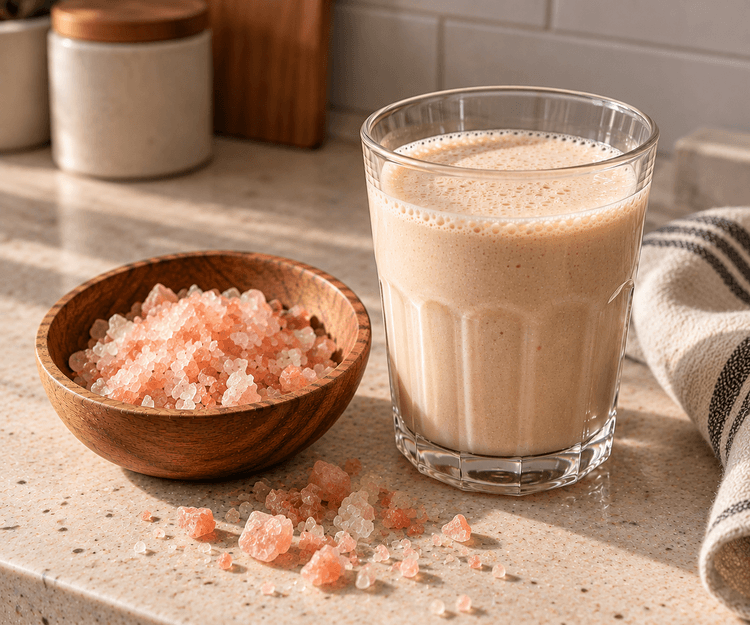
So what does this mean for your shaker?
The pinch of Himalayan salt in our formula isn't there to make things salty – you genuinely won't taste salt at the dose we use. What it does is round out the sweetness (the same idea as salted caramel). Lab results put it at 25–35 mg of sodium per serving, depending on flavour. As for water, you still need to drink enough of it every day.
(1) Sodium's role in fluid balance, blood volume, and nerve function is well established physiology; see University of New Hampshire Extension electrolyte guidance.
(2) Sodium-glucose co-transport as a mechanism for water absorption, consistent with the principles of the oral rehydration solutions (ORS) used medically.
(3) Himalayan pink salt's mineral composition is approximately 98% sodium chloride with trace minerals in small quantities, per mineral composition analyses cited across hydration research summaries.
(4) Unrefined salt sourcing avoids anti-caking agents and processing additives common in refined table salt.
(5) Hyponatraemia risk from over-hydrating with plain water during heavy sweat loss, and sodium's role in maintaining safe fluid concentration.