Why Eating Organic is So Important
Why Eating Organic is So Important
You’ve heard it many times before – the word “organic” is sure thrown around a lot these days. But besides being associated with wholesome farms, yoga mums, and health lovers (which, to be honest, are all cool associations to us), what does organic food actually mean? And why do so many people choose to eat organic, both for themselves and for the planet?
Keep reading to find out.
So what exactly is organic food?
Around 100 years ago humans developed chemical pesticides, herbicides and fertilisers and started using them on farms for the first time. Soon after that they started giving growth hormones and antibiotics to animals to make them grow bigger faster.
But it didn’t stop there. Once the food left the farm it started being injected with newly-developed artificial preservatives and additives to extend shelf-life and improve appearance.
Needless to say all these changes added up to a pretty dramatic transformation to the way we produced food.
Organic farming emerged roughly at the same time as a counter-movement to these new practices, believing that with the right techniques mother nature could provide great quantities of tasty, good-quality food without resorting to these lab-made artificial inputs and inhumane animal-rearing methods.
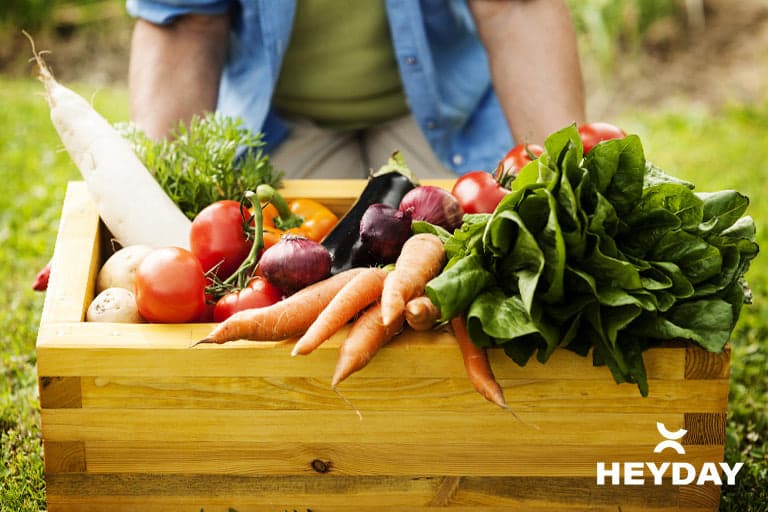
Organic farms instead use the natural environment to increase agricultural productivity, relying on methods such as crop rotation, organic manures and composts, and the use of natural predators to control pests. Organic livestock is reared outdoors in plenty of space, it cannot be fed medicine unless it is sick, and it is only fed organic food.
Their general philosophy is essentially that “organic agriculture combines tradition, innovation and science to benefit the shared environment and promote fair relationships and a good quality of life for all involved...".(1)
That sounds pretty good to us!
So where do the chemicals from conventional farms end up?
Chemical herbicides and pesticides used on crops often make their way into the foods we eat.(2) These chemicals are extremely toxic to the plants and insects they are designed to kill, and in sufficient doses are toxic to humans, too.
For example, the most commonly used herbicide, glyphosate, sold under the brand name “RoundUp”, has been classified as “probably carcinogenic to humans” by the WHO’s International Agency for Research on Cancer (IARC).(3) In 2020 Bayer, its maker, agreed to pay around $10bn to settle tens of thousands of US lawsuits claiming the weedkiller caused cancer.(4)
Glyphosate has been restricted in some countries,(6) but many others, including Thailand, still allow it – in 2019 Thailand reversed a planned ban on glyphosate.(7)
But that’s not all. If you also consume animal products, as we mentioned above, non-organic varieties are often fed huge quantities of antibiotics and hormones to help them grow faster, and are then typically filled with artificial additives and preservatives once produced. How all these artificial inputs affect our bodies and microbiomes is still something researchers are studying.(8)
Ok, but what about taste?
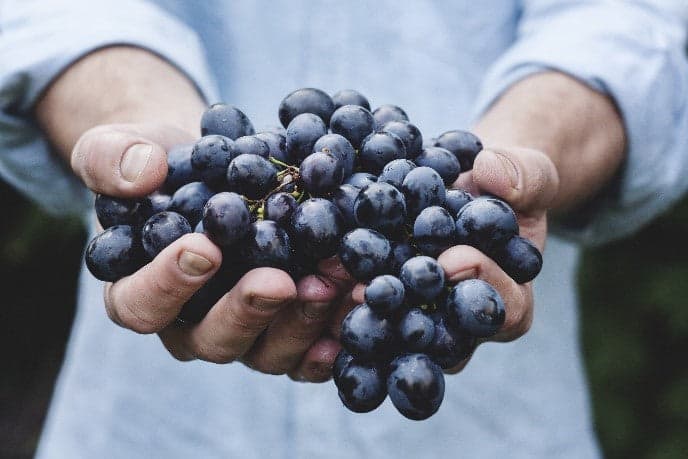
Studies have shown that organic products contain between 18 and 69% more antioxidants than non-organic foods.(9) Antioxidants are key drivers of a food’s unique taste, aroma, and mouthfeel, and because of this organic farming methods tend to give fruits and vegetables a more intense flavour.
Organic foods are often fresher too – they’re not treated with preservatives and so have to be on shelves soon after being picked. They’re also usually grown on smaller farms closer to where they are sold, so buying them supports the local economy as well as reduces the carbon emissions released during transport.
Lastly, the food is more likely to have been naturally ripened in the field rather than during transit using artificial gasses, as is commonly done for many of the non-organic fruits and vegetables found in supermarkets, making it potentially tastier and naturally sweeter, and definitely more natural.
And what about the benefits to the planet and local ecosystems?
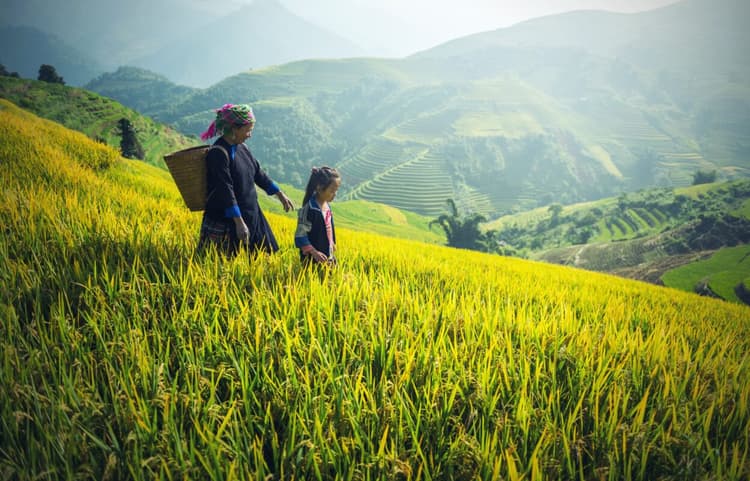
Organic agriculture leads to greater local biodiversity, both thanks to its traditional farming methods and because it avoids using genetically modified organisms.(11) It also reduces soil erosion, avoids contamination of ground water by synthetic pesticides, uses less fossil fuel-based energy, and scores more highly in terms of animal health and welfare than conventional farming methods.(12) All of these factors make it a clear winner for the environment.
So organic food is pretty great for those who can afford it, but can you really feed everyone with organic agriculture alone?

Studies are mixed on this, but generally show that in climates more suited to farming – such as Thailand’s – organic farming produces similar yields to industrial methods, whereas in less hospitable climates – northern Europe or Canada, for example – it does yield around 17% less.(13)
However, importantly the studies found that organic farming needs up to 50% less fertiliser and energy, and up to 97% fewer pesticides. So, the overall efficiency of production is higher, even if headline yields are slightly lower.(14)
What’s more, the farms are more self-sustainable and less reliant on external supply of inputs, as well as more resistant to climate events and shocks, making their businesses more resilient, secure and independent than conventional farms.
Organic certification – are all organic products created equal?
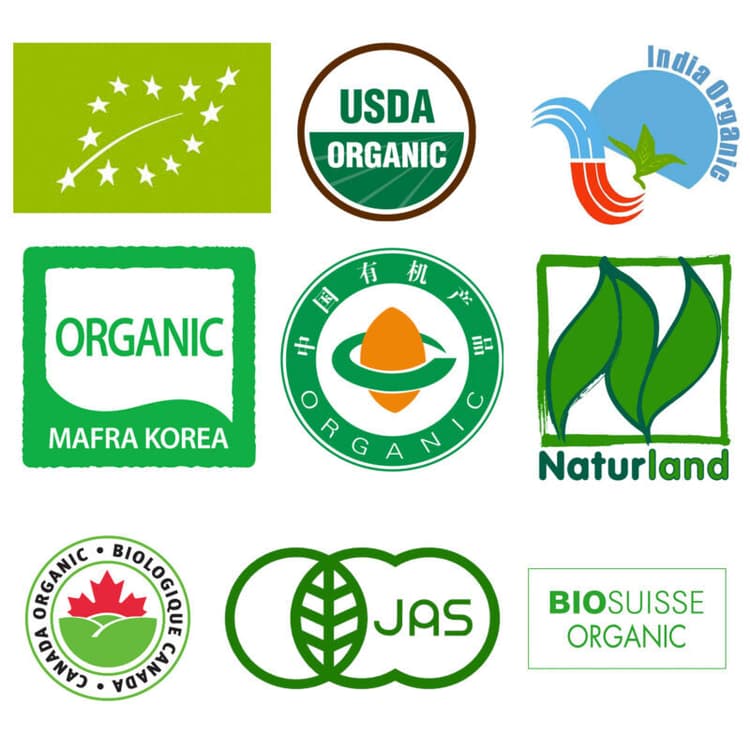
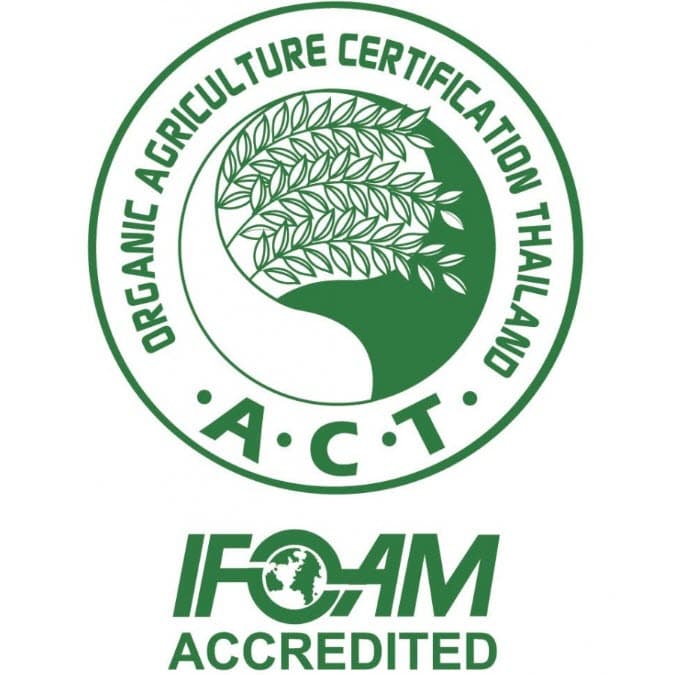
So you’ve decided that you’d like to eat more organic food. But when shopping for suitable products in Thailand, you’ll likely come across many different certifications, which may leave you feeling a bit confused about which ones you can trust.
The most common are national certifications, for example by the US Department of Agriculture or Japan Agricultural Standards, but also common are officially accredited private groups, such as Organic Agriculture Certification Thailand (ACT).
Some products may not be organic but instead have labels such as “contains 100% natural ingredients”. These are often used by smaller producers, who may not yet have the resources to pursue official organic certification but who otherwise tick all the boxes to qualify.
Heyday’s products currently fall in this category – while all our major ingredients are certified organic, we do not yet have official certification of the combination of these ingredients into one product (but this is coming soon!).