Protein and the body: what’s the link?
Protein and the body: what’s the link?
Lots of people think protein is just for gym-goers. But what exactly is it, and what does the body use it for?
It’s not all about the shaker bottle – protein is a main nutrient your body needs every day, whether you work out or not.
In fact, protein is a key component of every cell in your body – it’s behind almost everything your body does.
What is protein?
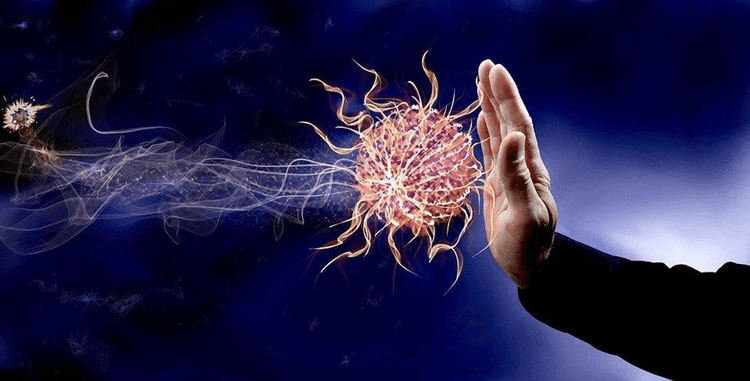
Proteins are large molecules made from small units called amino acids, linked together in long chains and folded into specific shapes. It’s this shape that decides what job each protein does.
Our bodies contain thousands of different proteins – for example enzymes, which make chemical reactions happen, haemoglobin, which carries oxygen in the blood, and antibodies, another type of protein the body makes itself.
All of these are built using the nutrients our body receives through our diet, so eating a varied diet with enough protein is the foundation of good nutrition.
Amino acids: the building blocks of protein
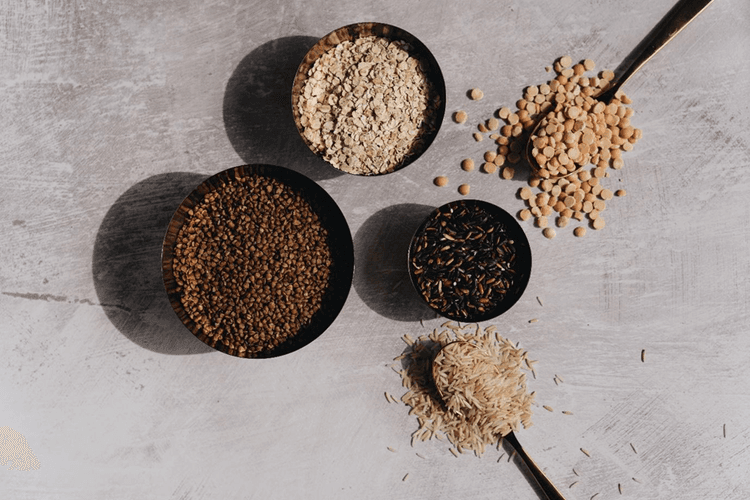
There are 20 amino acids that the body uses to build proteins. Nine of them can’t be made by the body – these are called essential amino acids, and we can only get them from food.
When consumed, protein is broken down into its constituent parts, amino acids, which your body then reassembles into the different proteins it needs – from enzymes to antibodies.(1)
Different foods have different amino acid profiles. Some plant proteins are fairly low in certain essential amino acids – rice protein is low in lysine, for example, and pea protein is low in methionine. Pair them together and you get all 9 essential amino acids.
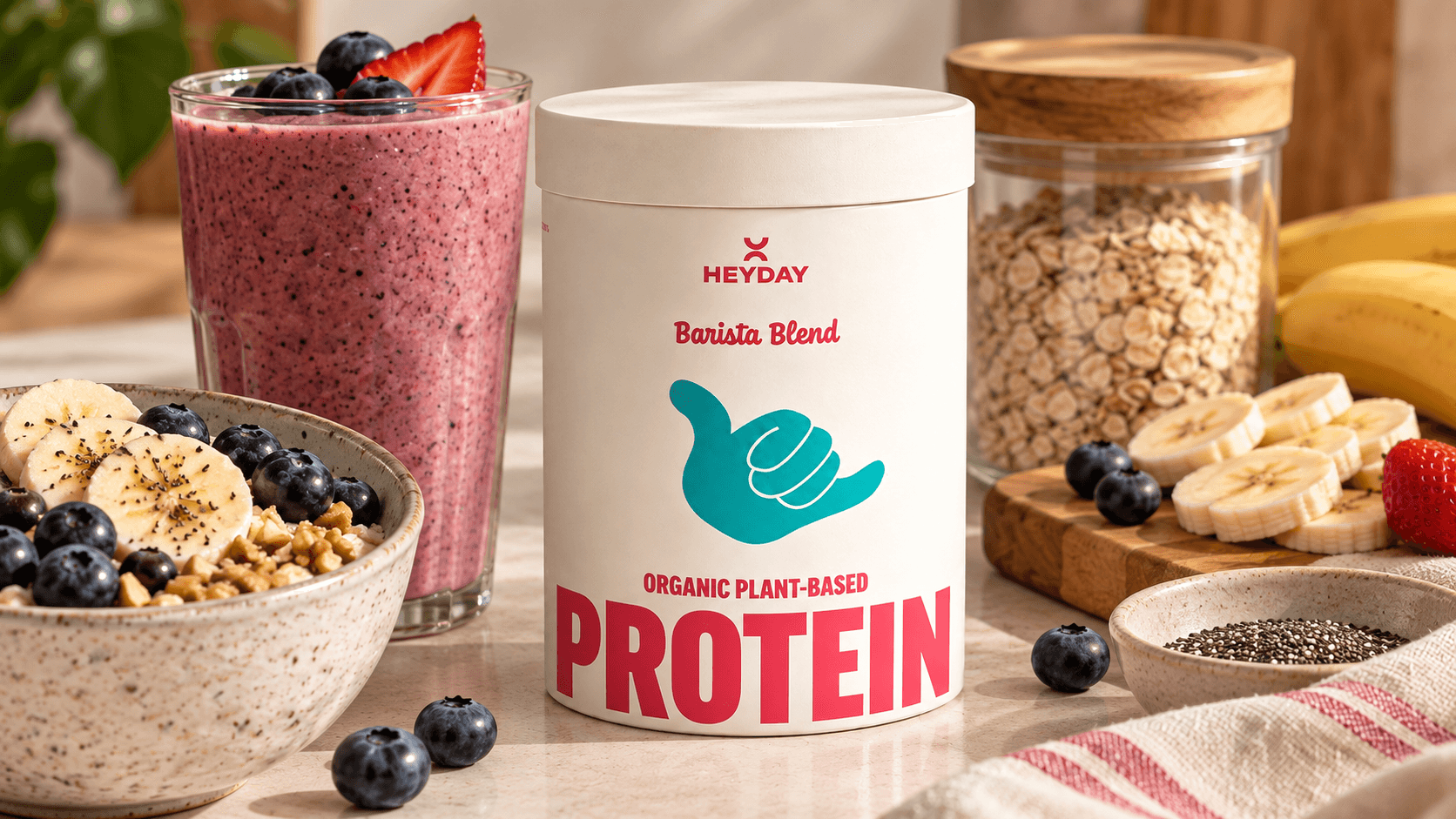
That’s exactly why our Organic Plant-Based Protein uses both pea protein and rice protein in every flavour.
How much protein is enough?

The recommended amount for most adults (the RDA) is 0.8g of protein per kg you weigh, per day. For someone who weighs 60kg that’s around 48g a day; at 75kg it’s around 60g a day.
The RDA is enough for most healthy people. If you exercise regularly, the American College of Sports Medicine (ACSM) suggests a higher range of around 1.2–2.0g per kilo per day.
On the flipside, if you eat too little, your body won’t get all the nutrients it needs. Balance is key.
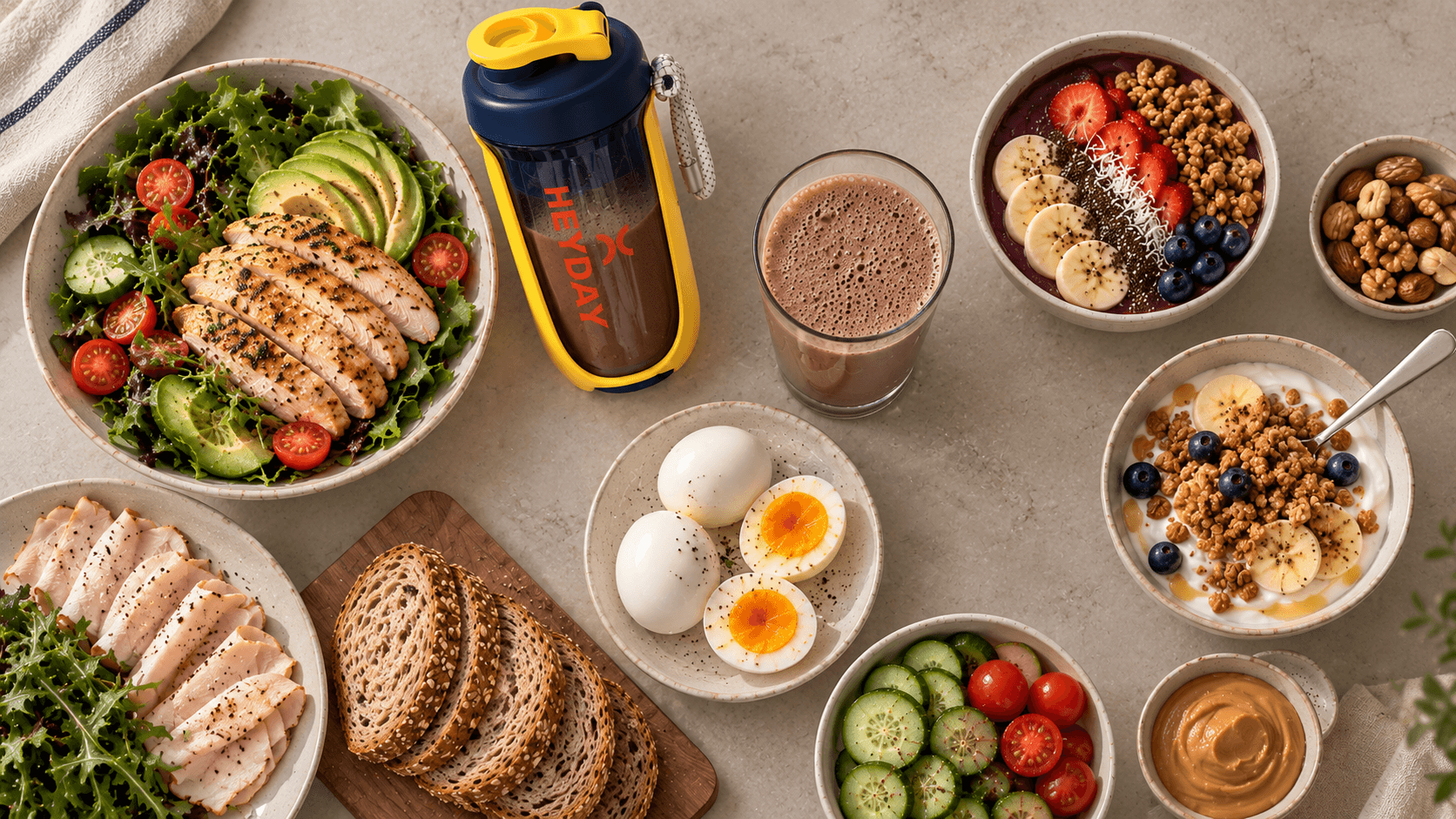
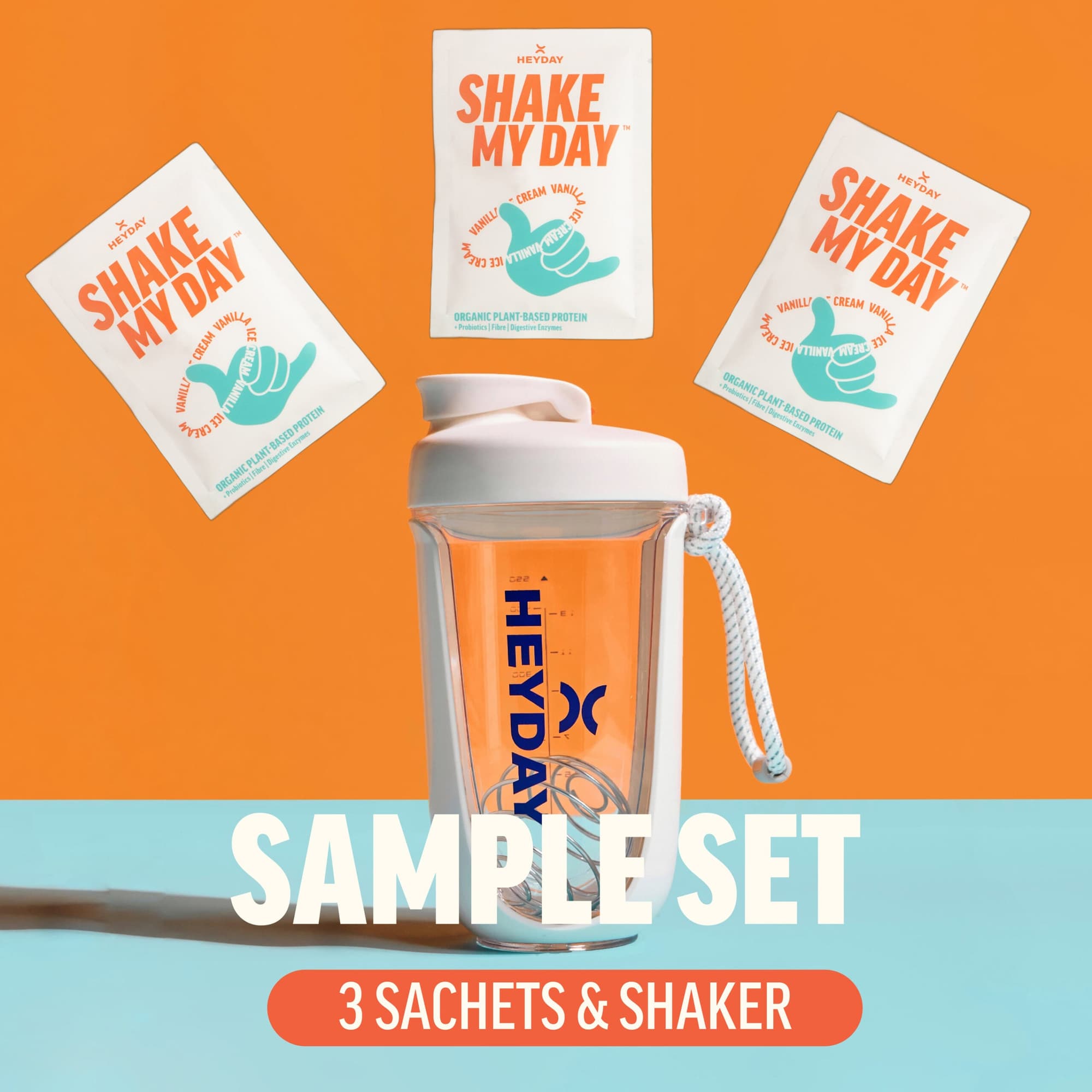
An easy approach is to spread protein across all your meals – eggs, fish, tofu, beans, or a protein shake as a convenient option. One 40g serving of Heyday Vanilla Ice Cream, for example, has 31g of protein (lab tested).
And what about probiotics?
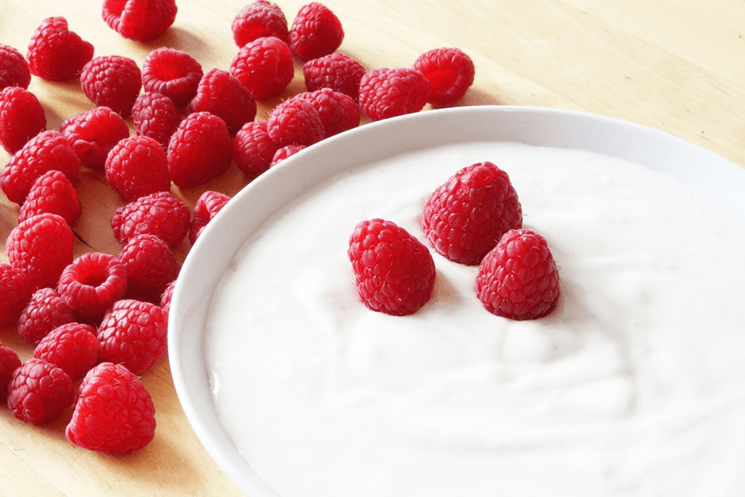
Finally, probiotics need a mention too. Probiotics are live microorganisms found in some fermented foods such as yoghurt, or in supplements. After eating them, these “good” bacteria make their way down through our stomach and into our intestine, home to our microbiome, a metropolis of trillions of bacteria that live in our bodies.
The microbiome is a pretty new and exciting field of study. Researchers around the world are looking at how it links to health in many different ways, and there’s still a lot left to discover.
Every serving of Heyday contains 1bn CFU of the probiotic Bacillus coagulans, plus inulin, a prebiotic – a fibre that microorganisms use as food. Want to know more about probiotics and the microbiome? Read more here.